
International Boxing Federation (IBF)
The International Boxing Federation - abbreviated IBF - is a major professional boxing sanctioning organization founded in 1983. It emerged in a landscape already shaped by WBA and WBC titles, and it later became a frequent part of unification and undisputed conversations alongside those bodies and the WBO.
This independent page explains founding context and championship concepts. It is not an official IBF site and does not invent current titleholders or records.
IBF, 1983
By the early 1980s, professional boxing already had multiple recognized world titles in many divisions. The IBF entered that multi-organization environment as another sanctioning system with its own rankings and championship pathway.
Federation founded
The IBF's founding year is widely cited as 1983. Its appearance reinforced a structural reality: championship status in boxing is often organization-specific rather than singular.
Titles by division
IBF world titles are recognized across weight classes. A fighter can be IBF champion without holding WBA, WBC or WBO recognition in the same division.
Unification language
As audiences sought clearer answers to "who is the champion," IBF belts became one of the titles commonly counted when discussing unified and, later, undisputed status among the major four.
Championship structure concepts
IBF policies on rankings and mandatories are often discussed in media coverage of title fights. Exact deadlines and exceptions belong to organizational rulebooks and can change; the concepts below are evergreen explanations.
Belts
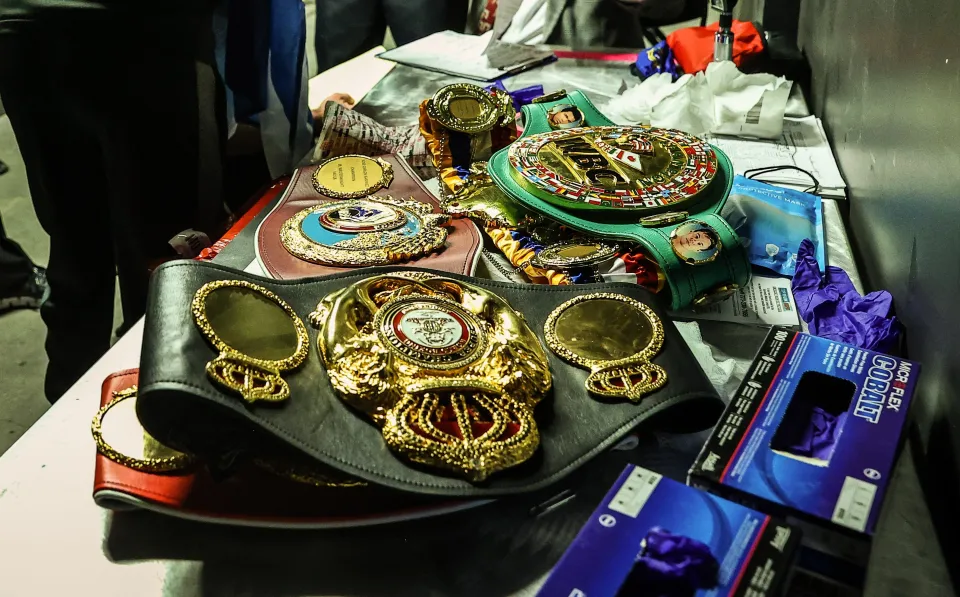
An IBF championship belt marks recognition inside the IBF system. Belts are symbols of status, not products sold here.
Rankings focus
Rankings identify contenders and can shape eliminator bouts. They are organizational tools used to order a championship path, not a global fighter merit index.
Mandatory pressure
Mandatory challenger ideas are meant to keep champions facing designated contenders. Negotiations, injuries and administrative outcomes can still alter schedules.
Part of the modern multi-title map
The IBF's significance is tightly linked to late-twentieth-century and twenty-first-century championship complexity. When historians describe multi-organization champions or unification campaigns, IBF titles frequently appear alongside WBA, WBC and WBO belts.
Legendary fighters associated with major-title eras - such as Evander Holyfield or Lennox Lewis in broader heavyweight storytelling - illustrate how multiple belts entered public memory. This site mentions legends as historical context only, without inventing title tallies.
Unified vs undisputed >Differences note
Relative to the WBA and WBC, the IBF is a later founding (1983). Relative to the WBO (1988), it arrived slightly earlier. Those dates help readers place organizations on a timeline; they are not a scorecard of prestige.
In many modern championship conversations, the IBF is grouped with WBA, WBC and WBO as one of the major four. The IBO is covered separately because recognition can differ by context.
Continue exploring
Return to the organizations directory or open weight-division and belts guides for related structure.
Explore Organizations