
Unified and Undisputed Titles Explained
"Unified" and "undisputed" are two of the most important - and most debated - words in professional boxing. They try to answer a simple question that became complicated once multiple sanctioning organizations recognized separate world champions in the same weight division.
This page offers careful definitions and historical caveats. Boxing Organizations History is independent and does not invent current undisputed claims or title counts.
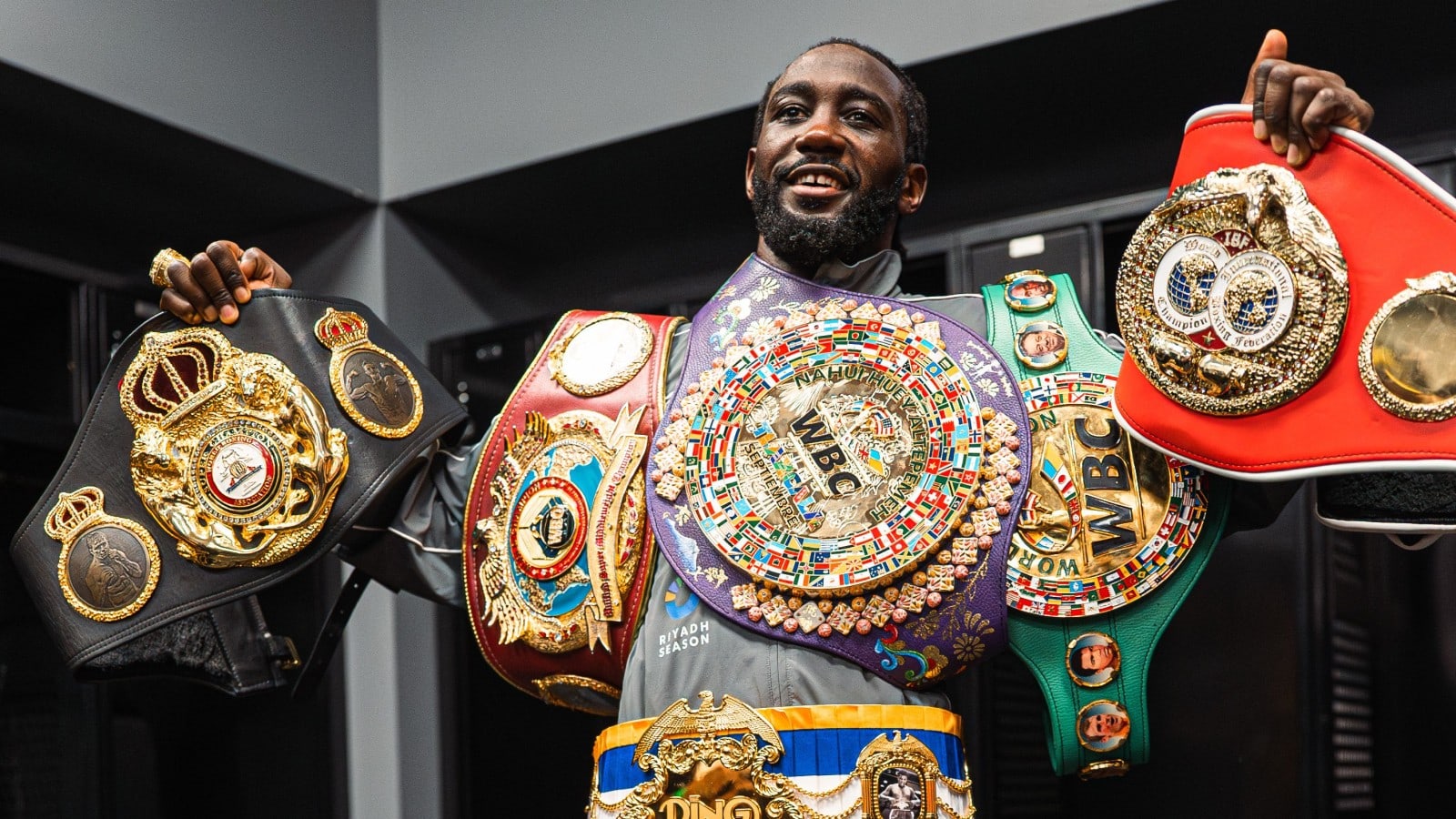
Working meanings used on this site
Exact usage can vary by era and writer. These definitions match common educational practice while leaving room for historical nuance.
Unified champion
A fighter who holds more than one recognized organizational world title in the same weight division at the same time. Unification usually refers to combining belts through victory or equivalent recognition pathways - not merely posing with unrelated trophies.
Undisputed champion
A fighter widely treated as holding the full set of titles that an era regards as required for undisputed status in that division. In many modern conversations, that set is WBA, WBC, IBF and WBO - but earlier eras used different required sets.
Lineal and other claims
Lineal championship ideas ("the man who beat the man") and other informal claims sometimes appear alongside organizational belts. They are related storytelling tools, not identical to sanctioning recognition.
Why undisputed depends on the era
Before later organizations existed, undisputed language could not mean "all four modern majors." After the IBF (1983) and WBO (1988) entered championship maps - and after WBO titles became widely treated as major in many discussions - the checklist changed.
Two-belt eras
When WBA and WBC titles dominated public conversation, holding both could be treated as unifying the main organizational strands of that moment.
Three- and four-belt eras
As IBF and later WBO recognition grew in mainstream framing, undisputed claims increasingly referenced a larger set of belts.
IBO caveat
IBO titles may appear on posters and in histories, yet many undisputed framings treat them differently from the major four. See the IBO page for neutral context.
Legends and multi-title eras
Championship history is full of campaigns to gather belts and clarify a division. Widely known figures - for example Muhammad Ali or Lennox Lewis in heavyweight historical discussion - appear in broader narratives about who controlled a class when titles were split or brought together. This site mentions legends for context only and does not invent unified title inventories.
Readers should treat each era's vocabulary on its own terms: a past undisputed claim may be accurate for its checklist even if today's four-belt framing would describe it differently.
Compare the organizations involved >Quick clarifications
Is every unified champion undisputed?
No. Unified means more than one title. Undisputed usually implies holding the full set treated as required in that era's framing.
Do vacancies affect the labels?
Yes. If a belt becomes vacant, claims that depended on holding that belt may no longer apply under common usage.
Must IBO be included for undisputed?
Many modern explanations focus on WBA, WBC, IBF and WBO. IBO recognition can differ by context; this site does not force a single rule for every outlet.
Where should I read next?
See championship belts, weight divisions and the organizations directory.
Map the belts behind the words
Unified and undisputed language only makes sense once you know which organizations recognize which titles.
Explore Organizations