World Boxing Council (WBC)
The World Boxing Council - abbreviated WBC - is a major professional boxing sanctioning organization founded in 1963 in Mexico City. From its early years it became a prominent voice in championship recognition, rankings conversations and the public language of world titles.
Boxing Organizations History presents the WBC as a historical subject. This page is not an official WBC website and does not invent current champions, presidential biographies or fight statistics.
Mexico City, 1963
The WBC was established in 1963, shortly after the NBA's rename to WBA. Its founding is widely associated with efforts to create a more internationally framed championship body at a moment when professional boxing's commercial map was expanding beyond a single dominant sanctioning lineage.
World Boxing Council founded
Mexico City is the commonly cited founding location. The WBC entered a landscape already shaped by WBA recognition and helped accelerate the multi-organization championship era.
Sanctioning, not promoting
Like other bodies covered here, the WBC recognizes titles and publishes policies for championship contests. Promoters still stage events; commissions still regulate licensing and medical standards locally.
Parallel titles
Once WBA and WBC titles coexisted as separate systems, a weight division could carry more than one recognized world champion - a structural fact that later bodies would further complicate.
Championship structure concepts
WBC championships are organized by weight division. Policies on defenses, rankings and mandatory challengers exist to keep title pathways orderly inside the WBC system; they are not universal boxing law.
Belts
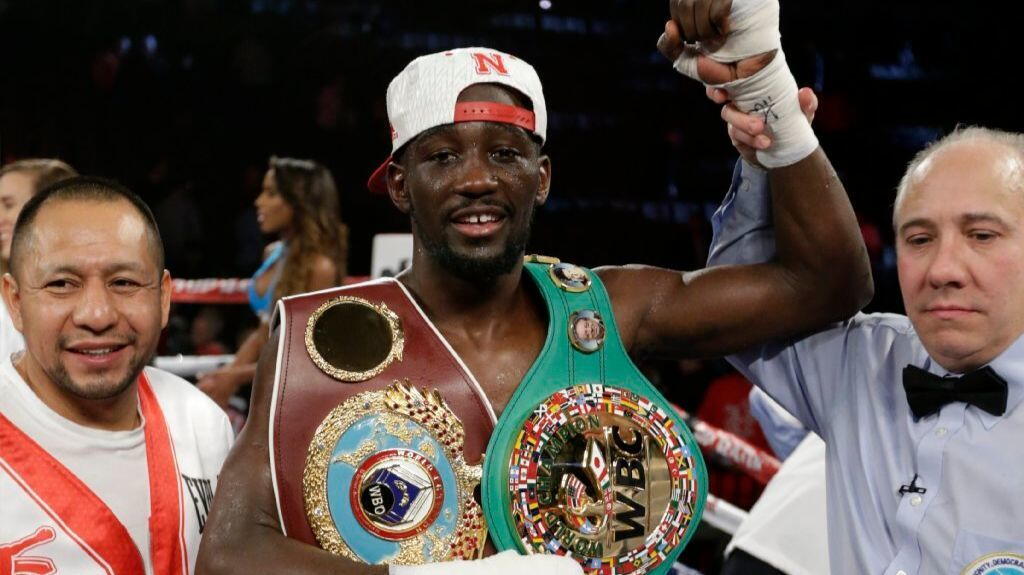
A WBC belt represents WBC recognition. Historic green-belt imagery is culturally familiar in boxing media, but symbolism should not be confused with merchandise sold by this website.
Rankings
Organizational rankings help identify contenders and frame title eliminators. Media "pound-for-pound" lists are separate editorial products and should not be treated as WBC rankings.
Mandatory ideas
Mandatory challenger concepts aim to prevent indefinite voluntary defenses against preferred opponents. Real-world timelines can be affected by injuries, negotiations and administrative rulings.
A central name in modern title language
Across decades of championship storytelling, WBC titles have been part of many defining eras. Widely known legends - including Muhammad Ali, Julio César Chávez and Mike Tyson in their historical contexts - appear in broader WBC-associated narratives without fabricated win-loss ledgers on this site.
The WBC's influence is also cultural: its championships are frequently referenced when fans debate who "really" holds a division, especially when other belts are split among different fighters.
How belts relate to recognition >Differences note
Compared with the WBA's longer NBA lineage, the WBC's founding story begins in 1963 as a distinct international council. Compared with later bodies such as the IBF and WBO, the WBC entered mainstream championship language earlier in the multi-organization age.
None of those timeline differences is presented here as a quality ranking. Recognition prestige can vary by era, region and the set of belts a given audience treats as decisive.
Explore more organizations
Continue with the directory or compare how rankings, mandatories and unifications are discussed across bodies.
Explore Organizations